Barolo Wine
Revered as the "King of Wines and the Wine of Kings," our Barolo collection showcases the pinnacle of Piedmont’s winemaking, where the notoriously finicky Nebbiolo grape transforms into deeply complex, highly age-worthy wines of legendary structure.
-
Add 6 - Save 5% | Add 12 - Save 10%
-
Araldica I Classici Barolo Flori 2021 75cl
Araldica I Classici Barolo Flori is a classic, characterful red wine from one of Piemonte's most progressive and respected cooperatives. Crafted fr...Italy
Piemonte
2021
Full Bodied Red
Regular price £23.99 -
Renato Ratti Barolo Marcenasco 2019 75cl
Barolo DOCG Marcenasco is a distinguished expression of Nebbiolo from the historic vineyards of Piedmont, Italy. The wine originates from the “Marc...Italy
Piemonte
2019
Full Bodied Red
Regular price £49.99 -
Casali del Barone Barolo 2019 75cl
Casali del Barone Barolo DOCG is a distinguished expression of Nebbiolo from Piemonte, crafted to highlight the elegance and complexity of this ico...Italy
Piemonte
2019
Full Bodied Red
Regular price £28.99 -
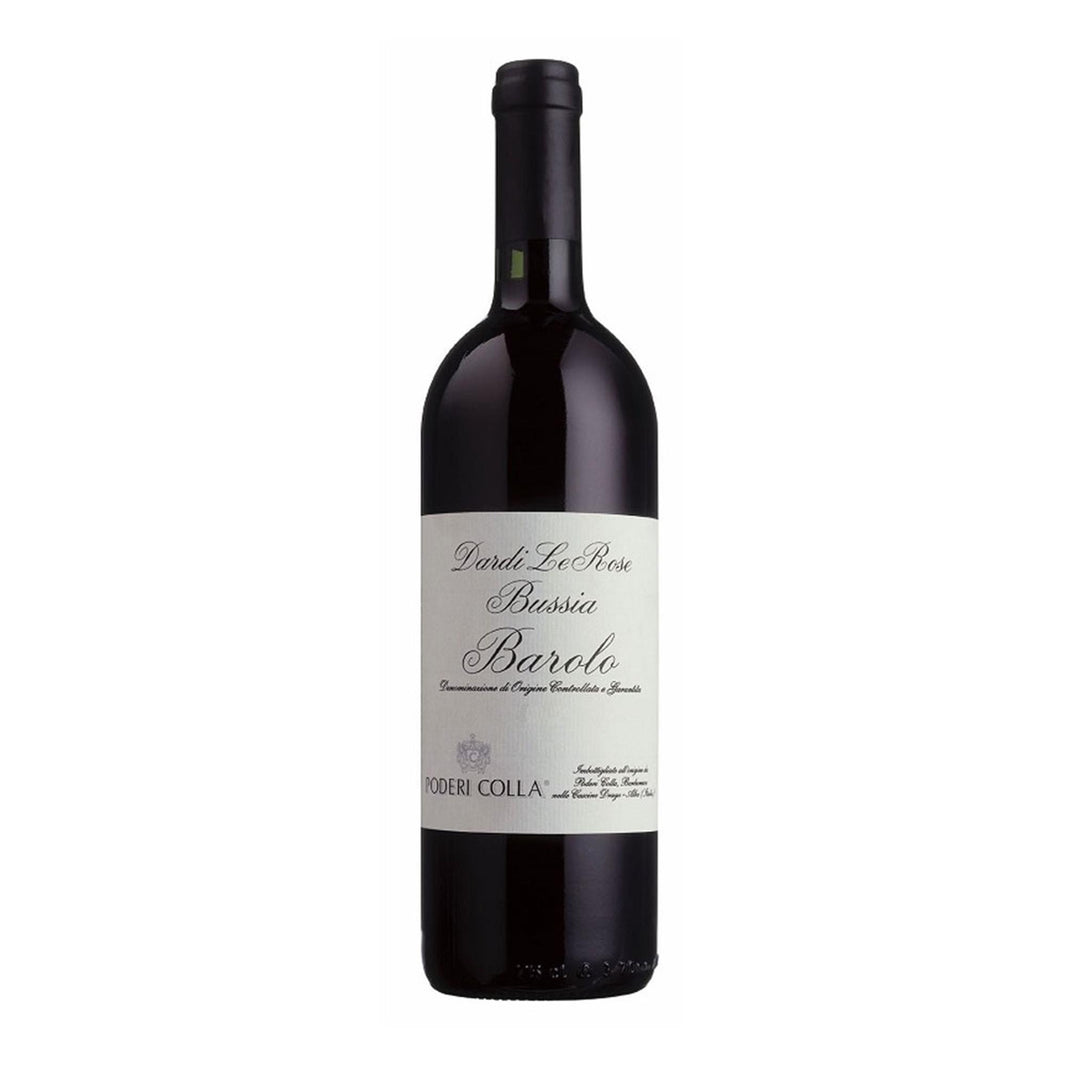
Barolo Bussia Dardi le Rose 2020 Poderi Colla 75cl
Poderi Colla Dardi le Rose Barolo is a classic, full-bodied red wine from a single vineyard on the renowned Bussia hill in Piemonte. Crafted from 1...Italy
Piemonte
2020
Full Bodied Red
Regular price £53.99 -
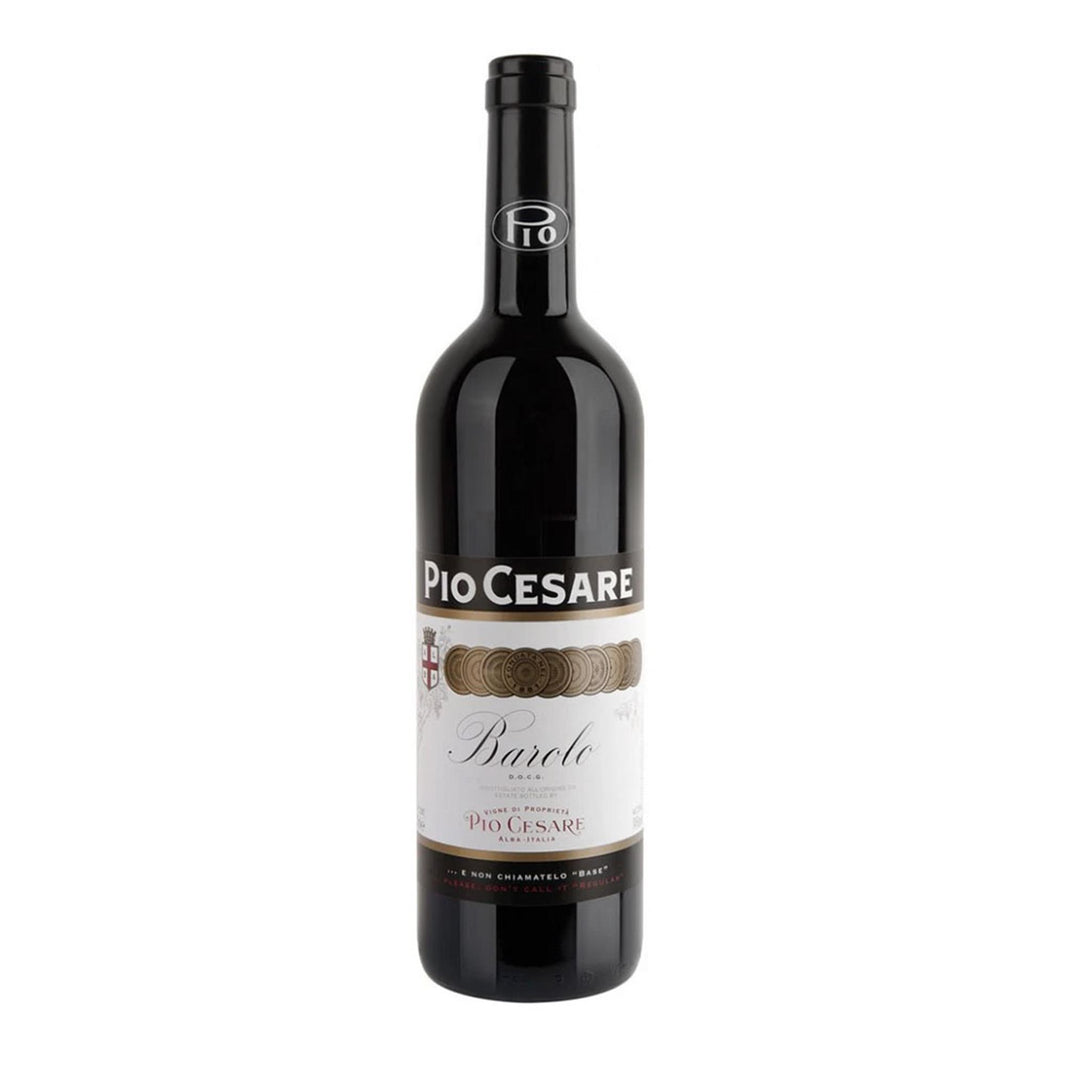
Pio Cesare Barolo 2020 75cl
Pio Cesare Barolo is a classic and deeply characterful expression of Nebbiolo from one of Piedmont's most historic and respected family estates, fo...Italy
Piemonte
2020
Full Bodied Red
SustainableRegular price £64.49
Nebbiolo is a legendary grape variety whose appearance and initial bouquet completely disguise its massive structural power. In the glass, Barolo displays a pale, translucent garnet hue with orange bricking around the rim, leading many to expect a light, delicate red wine. The nose further reinforces this impression, offering ethereal floral aromas of dried rose petals, violet, tar, sour red cherry, and cranberry. However, the moment the wine touches the palate, its formidable architecture is revealed. Nebbiolo naturally possesses an exceptionally high skin-to-juice ratio and high levels of natural tartaric acid, resulting in piercing, mouth-watering acidity and massive, astringent tannins that grip the mouth, creating a fascinating sensory contrast between delicate aromatics and immense structural weight.
The choice of vessel defines the classic debate between traditionalist and modernist Barolo winemakers. Traditionalists age their wines in large, neutral Slavonian or French oak casks called botti. These large vessels allow for very slow micro-oxygenation without imparting wood flavours, preserving Nebbiolo’s pale color, high acidity, firm structure, and classic aromatics of dried rose, tar, leather, and truffle, though the raw tannins require years of bottle cellaring to soften. Conversely, modernists utilise smaller, toasted 225-litre French oak barriques. The smaller volume of wood speeds up oxygen exchange and imparts sweet oak compounds, resulting in a deeper-coloured, more approachable red wine with rounded tannins and modern aromatic notes of vanilla, toasted espresso, sweet spice, and plush dark cherry fruit.
The Barolo zone is split into two primary geological soil types that dramatically influence the structure and lifespan of the wine. Townships on the western side, such as La Morra and Barolo, sit on Tortonian soils composed of magnesium-rich blue marl and sand. These lighter soils produce softer, more perfumed, and elegant Barolos with rounder tannins that are approachable at a much younger age. On the eastern side, townships such as Serralunga d'Alba, Monforte d'Alba, and Castiglione Falletto feature older Serravallian soils made of dense sandstone, chalk, and limestone. This nutrient-poor terrain forces the vines to yield deeply concentrated grapes, producing stern, deeply tannic, and intensely mineral Barolos that demand decades of cellaring to reach their peak.
Extended cellaring is essential for young Barolo because its razor-sharp acidity and aggressive, mouth-drying tannins can feel astringent and overwhelming during its youth. Over years in a cool cellar, those harsh tannic polymers slowly bind together and precipitate out as natural sediment, softening the mouthfeel. While a youthful Barolo offers primary tart red fruit, it typically takes ten to fifteen years of bottle ageing for the wine to enter its prime drinking window. At this stage, primary fruit gives way to extraordinary secondary and tertiary complexity, unfolding intricate layers of forest floor, autumn leaves, dried porcini mushrooms, sweet leather, polished mahogany, game, and black truffle.
Barolo is an elite culinary wine that requires heavy proteins, rich fats, and intense umami to tame its muscular structural profile. Proteins and lipids in food bind directly to the astringent polyphenols in the wine, instantly stripping away the drying sensation of the tannins and making the palate feel silky and rounded. Traditional regional pairings from Piedmont are world-class matches, such as slow-braised beef cooked in Barolo (Brasato al Barolo), rich egg-yolk pasta (Tajarin) tossed in butter, or slow-cooked calf’s cheek and osso buco. Furthermore, the earthy, truffley aromatics of an aged Barolo harmonize magnificently with savory umami-rich ingredients like shaved white truffle, roasted wild mushrooms, game meats like venison and wild boar, and mature, crystalline cheeses like Castelmagno or aged Parmigiano-Reggiano.