Georgian Wines
Known as the birthplace of winemaking with over 8,000 years of unbroken history, our Georgian wine collection offers a fascinating taste of one of the world's oldest liquid traditions. Nestled between the Caucasus Mountains and the Black Sea, Georgia is famous for crafting unique wines in subterranean clay vessels called qvevri. From deeply flavoured, amber-hued whites to velvety, spice-kissed reds, these characterful wines are welcoming, truly authentic, and full of natural vibrant flavours.
-
Add 6 - Save 5% | Add 12 - Save 10%
-
Teliani Valley Kakhuri No.8 2022 Amber Wine 75cl
Teliani Valley Winery 97 Kakhuri No8 is a distinctive amber wine from Georgia’s Kakheti region, crafted from four indigenous grape varieties: Rkats...Georgia
Kakheti
2022
Fruity White
OrganicRegular price £15.99 -
Tbilvino Rkatsiteli 2024 75cl
Tbilvino Rkatsiteli is a classic Georgian white wine from the Kakheti region, crafted from one of the world's oldest grape varieties and a cornerst...Georgia
Kakheti
2024
Aromatic White
Regular price £18.99 -
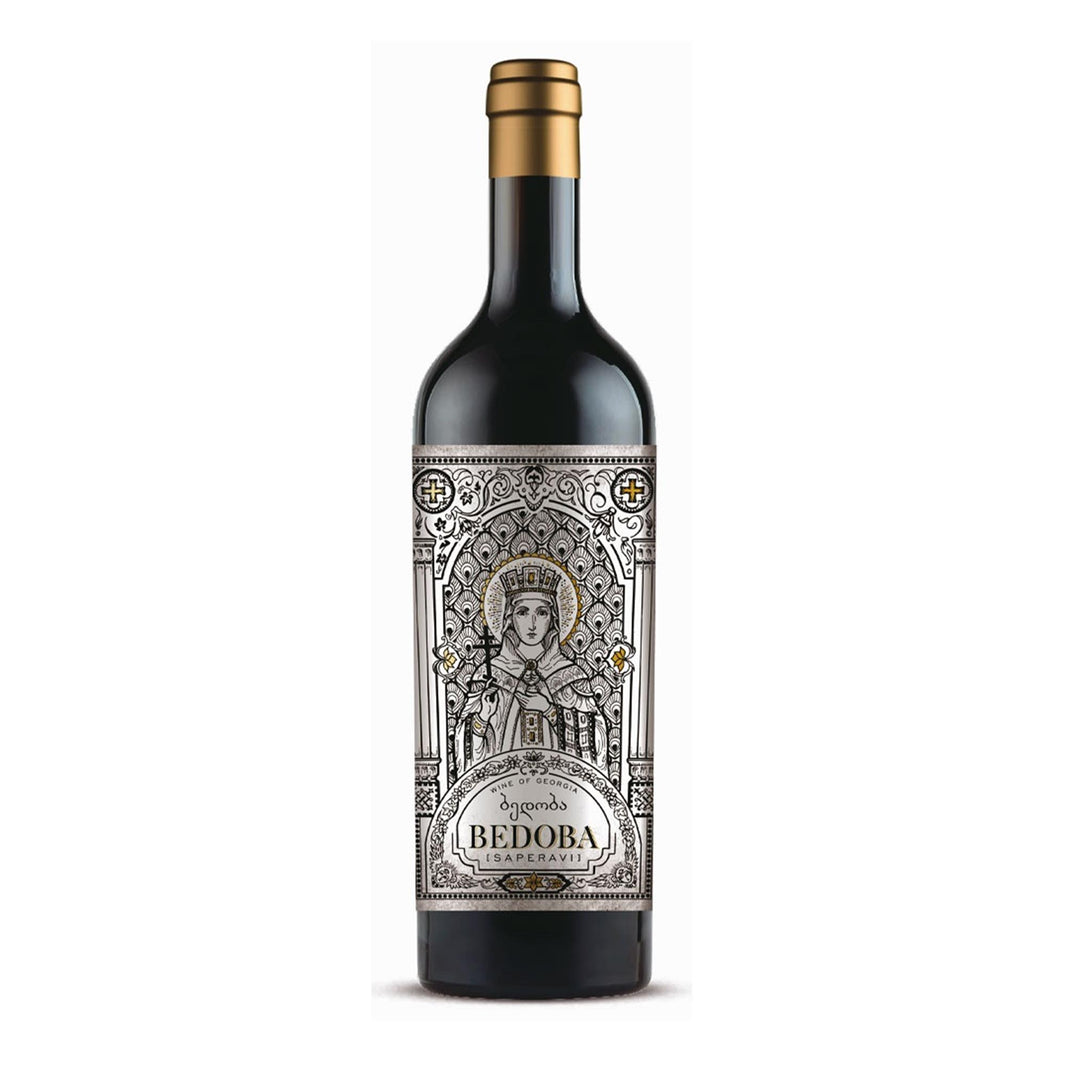
Bedoba Saperavi 2023 75cl
Bedoba Saperavi is a powerful, expressive red from the Kakheti region of Georgia, crafted by the Konchosvilli family whose winemaking history in Ka...Georgia
2023
Medium Bodied Red
Regular price £18.99 -
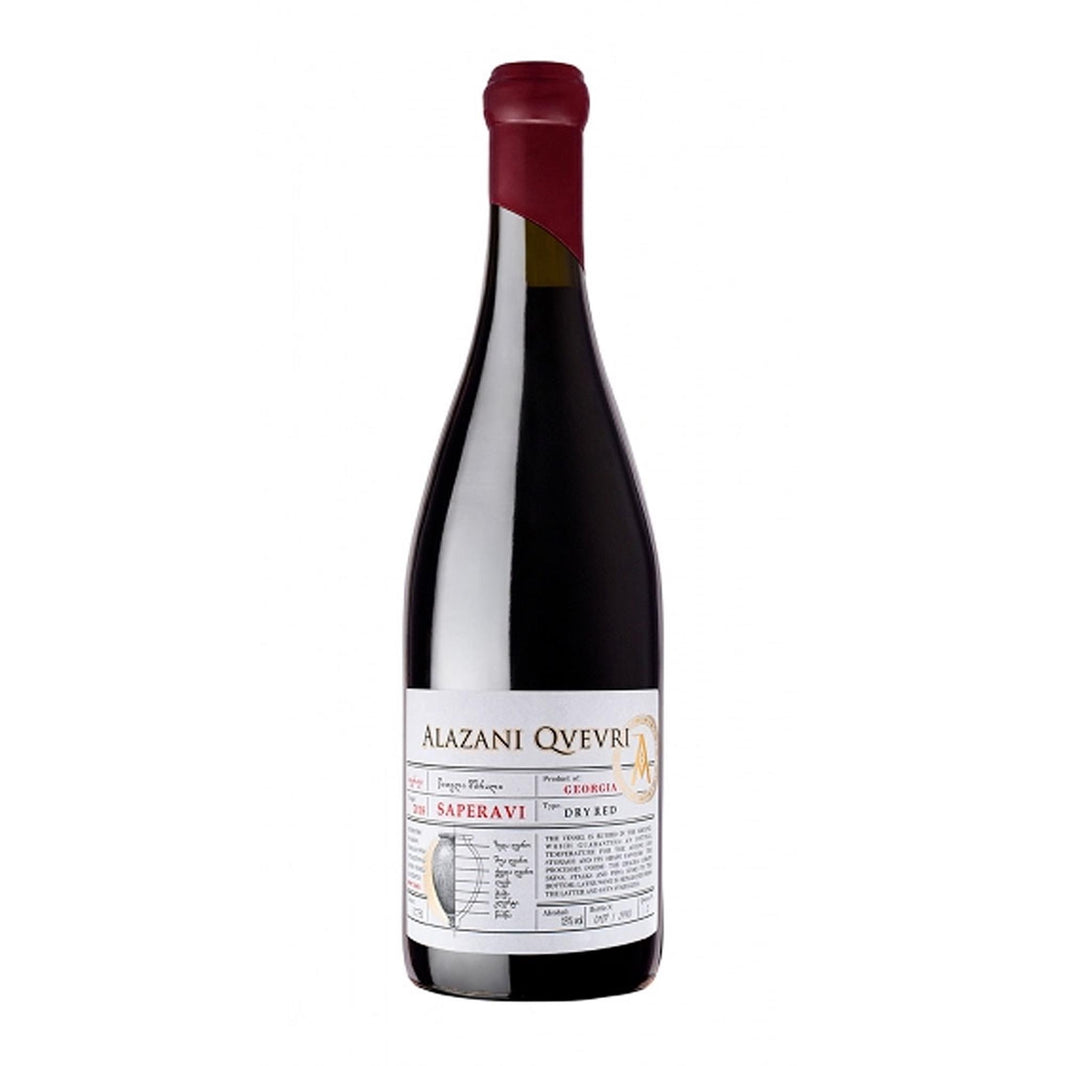
Alazani Qvevri Saperavi 2019 Single Vineyard 75cl
Made from Saperavi, a highly pigmented black Georgian grape variety which is fermented and aged in a Qvevri. The grapes are crushed and put into th...Georgia
2019
Full Bodied Red
Regular price £18.49
Georgia is celebrated as the cradle of wine because archaeological and biomolecular evidence proves it possesses the world's oldest continuous winemaking tradition. In 2017, archaeologists discovered ancient clay jars containing tartaric acid residues and wine signatures in southern Georgia dating back to approximately 6000 BC, demonstrating that Georgians have been crafting wine for over 8,000 years. Unlike other ancient wine regions where viticultural methods evolved into modern industrial processing, Georgia maintained its ancestral techniques unbroken through millennia. Today, winemaking remains deeply embedded in Georgian cultural identity, spiritual heritage, and daily hospitality, preserving ancient vinification practices that are legally recognized by UNESCO as Intangible Cultural Heritage.
A qvevri is a large, egg-shaped terracotta clay vessel lined with beeswax, buried completely underground up to its neck in a specialized cellar called a marani. Crushed grapes, juice, skins, stalks, and seeds (deda, meaning mother) are transferred into the qvevri for spontaneous fermentation using wild yeasts, after which the vessel is sealed with stone or clay for several months. Subterranean burial maintains a naturally stable, cool temperature during fermentation and micro-oxygenation through the porous clay wall gently softens tannins. This extended skin and stem contact imbues the wine with firm, tea-like structural tannins, lower perceived acidity, a broad textural weight, and savory undertones of dried herbs, nuts, and crushed earth.
Amber wine (often referred to internationally as orange wine) is produced by fermenting and macerating indigenous white grape varieties with their skin, seed, and stem contact for several months inside a traditional qvevri. This process extracts natural amber-gold pigments, polyphenols, and firm structural tannins that are usually found only in red wine production. Georgia is globally famous for amber wines because it invented and continuously perfected this style over eight millennia. Georgian amber wines offer a striking sensory experience: completely dry on the palate, they combine intense aromatics of dried apricot, orange peel, hazelnut, and sweet spice with the grippy tannic architecture and food-friendly weight of a red wine.
Georgia hosts over 500 indigenous grape varieties, creating a distinct flavour profile found nowhere else in the world. The star white grape is Rkatsiteli, an ancient variety prized for its vibrant acidity, mineral drive, and ability to craft both fresh steel-fermented white wines and deep, tannic amber wines bursting with dried stone fruit and walnut complexity. Mtsvane Kakhuri is another key white variety, celebrated for its intense floral and citrus aromatics. For red wines, Saperavi reigns supreme; it is one of the world's rare teinturier grapes (containing red flesh as well as red skins), yielding deeply pigmented, ink-dark, full-bodied red wines packed with sour cherry, dark plum, black pepper, leather, and immense cellaring potential.
The complex phenolic structure, tea-like tannins, and vibrant natural acidity of Georgian wines make them extraordinary partners for rich, spice-infused Caucasian cuisine. Traditional amber wines (like qvevri-aged Rkatsiteli) pair brilliantly with khachapuri (cheese-filled bread), roasted pork or chicken in garlic-walnut sauce (satsivi), grilled eggplant stuffed with spiced walnut paste (badrijani nigvzit), and aged cheeses. Deeply structured red Saperavi cuts effortlessly through rich, fat-laden meats such as charcoal-grilled lamb or beef skewers (mtsvadi), slow-braised beef with herbs (chakapuli), spice-laden pork dumplings (khinkali), and braised meat stews infused with blue fenugreek, coriander, and marigold petals.