Appassimento Wine
Rooted in the ancient Italian tradition of post-harvest grape drying, our Appassimento wine collection offers extraordinary depth, velvety texture, and concentrated fruit richness. By resting hand-picked grapes in ventilated crates to gently dehydrate before pressing, winemakers concentrate natural sugars, acids, and flavours. From iconic Amarone della Valpolicella to lush Ripasso styles, these indulgent reds deliver bold notes of raisin, dark chocolate, sweet spice, and plush dark fruit.
-
Add 6 - Save 5% | Add 12 - Save 10%
-
Aristocratico Appassimento 2024 75cl
Aristocratico Appassimento is a full-bodied, richly concentrated red from Salento in southern Italy, crafted from Primitivo and Negroamaro using th...Italy
Salento
2024
Full Bodied Red
Regular price £13.25 -
Montresor Urban Park Appassimento 2021 75cl
Montresor Urban Park Appassimento is an authentic Veronese red from the Veneto, Italy, crafted from Corvina, Corvinone, and Rondinella using the tr...Italy
Veneto
2021
Medium Bodied Red
Regular price £12.99Sale price £12.99 Regular priceUnit price / per£15.25 -
Domini Veneti Marco Polo Appassimento Rosso 2024 75cl
Domini Veneti Marco Polo Appassimento Rosso 2024 is a bold, smooth, and generously fruited red wine from the Veneto region of northern Italy, made ...Italy
Veneto
2024
Full Bodied Red
Regular price £14.75 -
Passitivo Appassimento Primitivo Organico Organic 2024 75cl
Passitivo Primitivo Organic Appassimento is a rich and expressive wine from southern Puglia, crafted from carefully selected Primitivo grapes. Deep...Italy
Puglia
2024
Full Bodied Red
OrganicRegular price £14.99 -
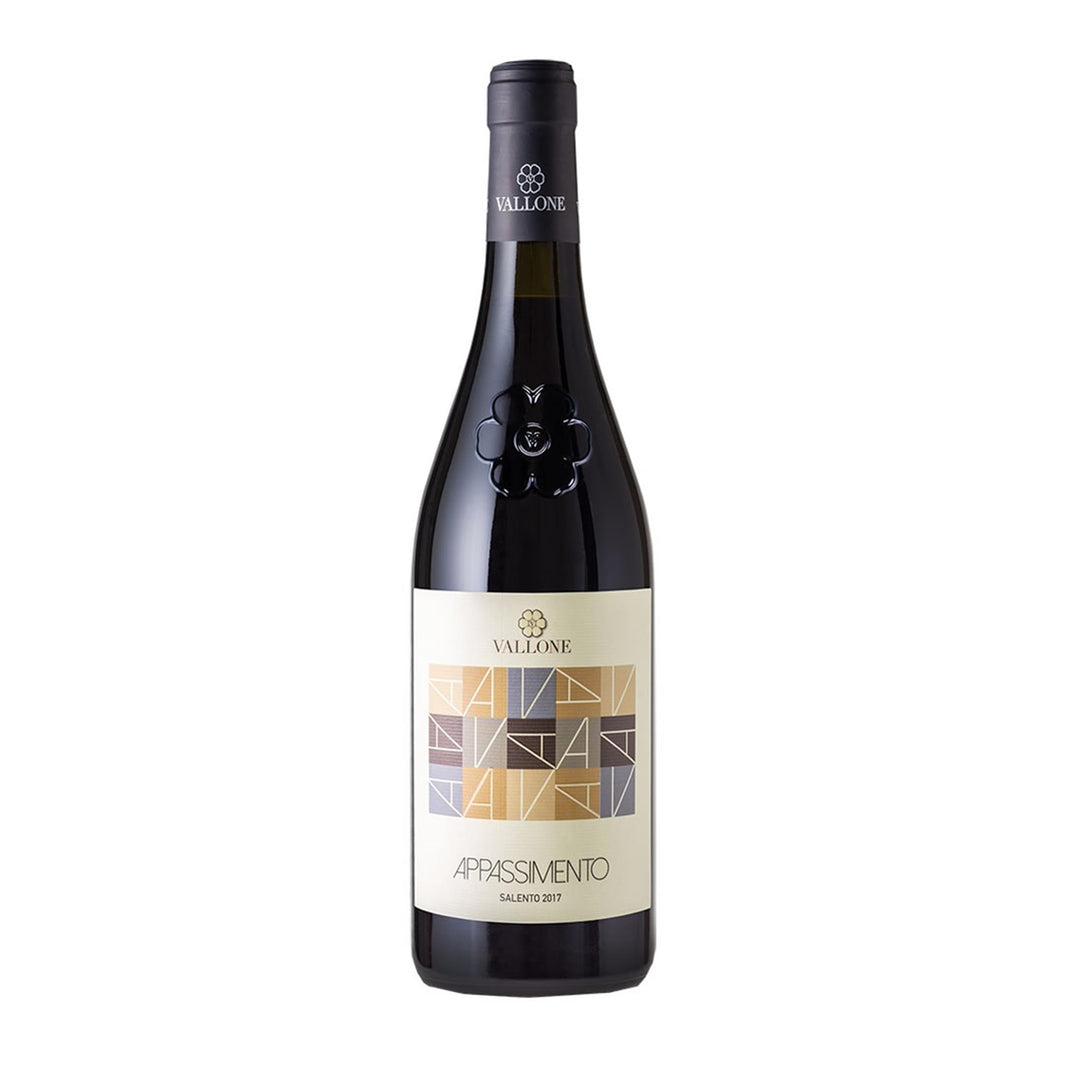
Vallone Tenuta Serranova Appassimento 2023 75cl
Vallone Tenuta Serranova Appassimento is a rich, characterful red from Puglia, crafted by Agricole Vallone at their historic Tenuta Serranova estat...Italy
Puglia
2023
Full Bodied Red
Regular price £15.99 -
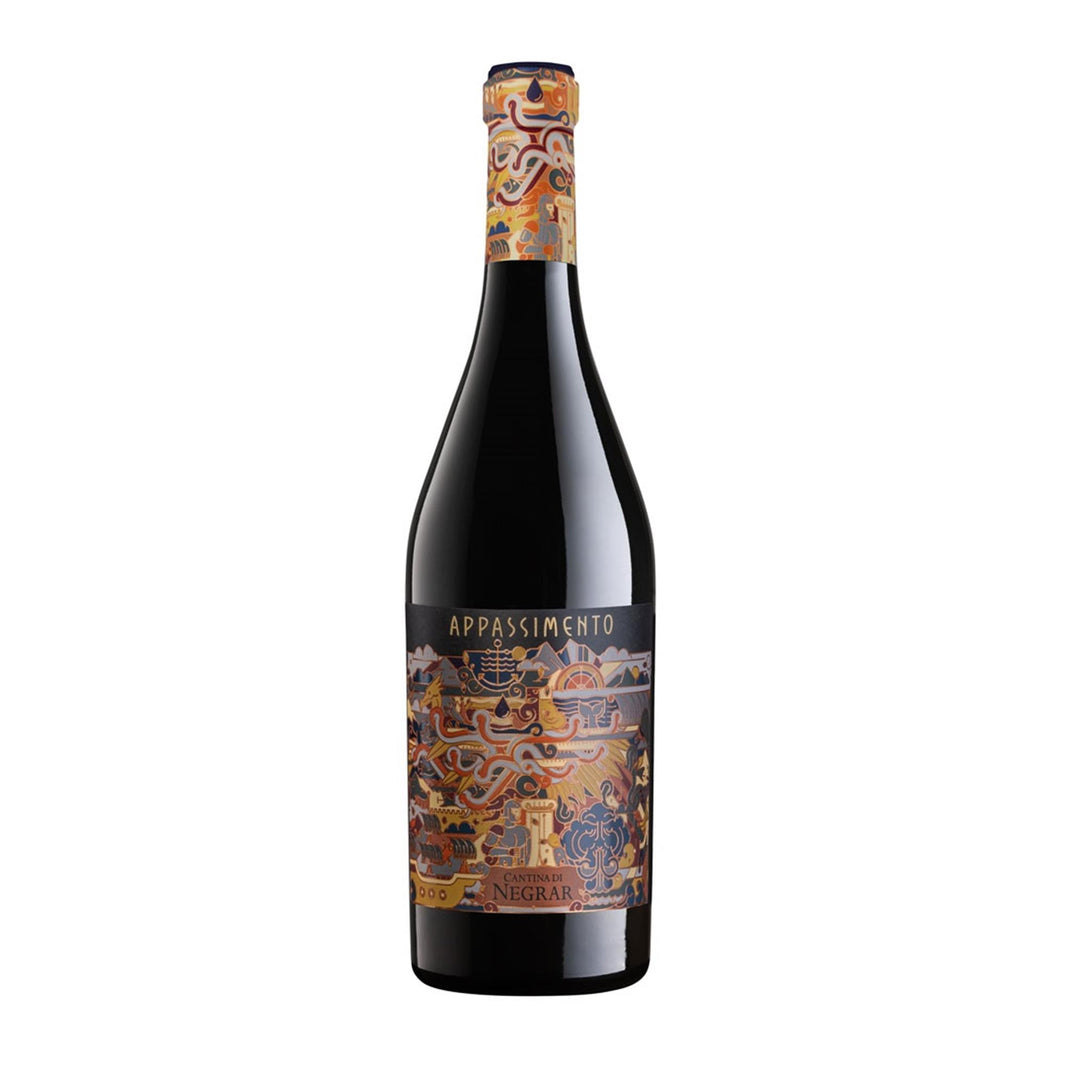
Cantina di Negrar Appassimento Rosso 75cl
Cantina di Negrar Appassimento Rosso is a richly textured and generously flavoured red wine crafted using the traditional appassimento method, wher...Italy
Veneto
NV
Full Bodied Red
Regular price £14.49 -
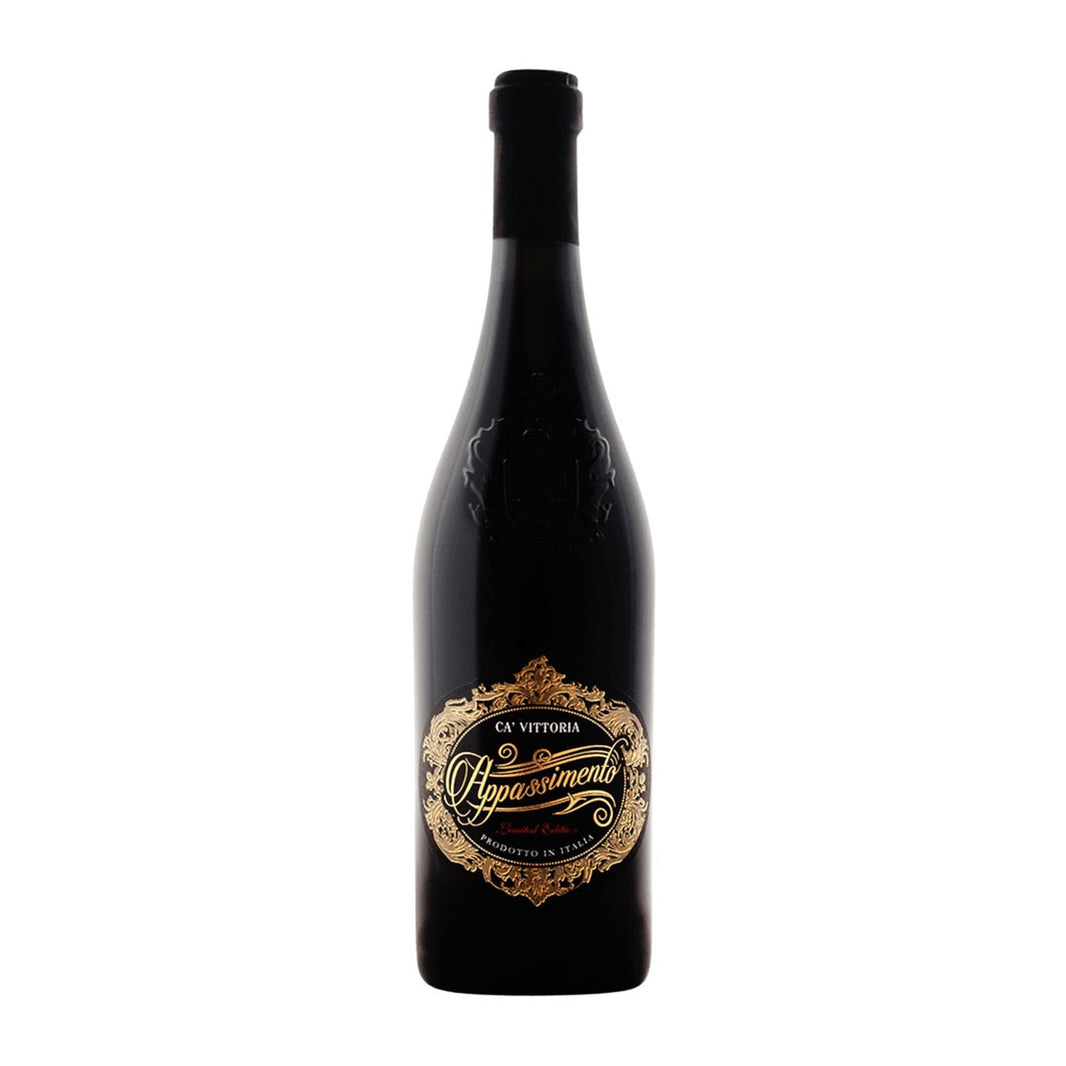
Ca' Vittoria Appassimento Limited Edition 75cl
Ca' Vittoria Rosso IGT Puglia Appassimento Gold Release is a rich, full-bodied red from the Salento area of Puglia, southern Italy, crafted from a ...Italy
Puglia
2024
Full Bodied Red
Regular price £15.49
During the appassimento process, healthy, hand-harvested grape bunches rest in well-ventilated drying lofts (fruttai) for three to four months, losing 30% to 45% of their initial water weight through natural transpiration. This physical evaporative dehydration concentrates sugars (glucose and fructose), fixed tartaric acid, polyphenols, and aromatic precursors within the remaining liquid phase. Crucially, while malic acid undergoes a natural metabolic breakdown that softens harsh green notes, tartaric acid concentrates alongside sugars, preserving a vibrant natural acid backbone that keeps the wine structurally balanced. Furthermore, during fermentation, the high osmotic pressure exerted by these concentrated sugars subjects yeasts to metabolic stress, forcing them to produce elevated levels of glycerol—a sweet, viscous sugar alcohol that enhances physical body and mid-palate weight without compromising freshness.
While all three red wines originate from the same Venetian terroir, they differ fundamentally in sugar level, alcohol, and vinification technique. Amarone della Valpolicella DOCG is crafted from grapes dried for 100 to 120 days and fermented completely to dryness, yielding a full-bodied, dry red wine with high alcohol (15% to 16.5%+ ABV), firm tannins, and complex notes of cocoa, dried fig, and dark cherry. Recioto della Valpolicella DOCG uses the same dried grapes, but fermentation is arrested early by chilling and filtration, leaving substantial natural residual sugar (typically 50 to 100+ g/l) to create a sweet, velvety dessert red wine. Valpolicella Ripasso DOCG serves as an intermediate style, created by passing fresh, basic Valpolicella wine over the warm, sugar-rich pomace (skins and seeds) leftover from freshly pressed Amarone. This secondary fermentation infuses the lighter wine with extra alcohol, deeper colour, softer tannins, and a subtle dried-fruit complexity.
The elevated alcohol levels of appassimento wines stem directly from dehydration, as dried grapes reach sugar levels capable of fermenting to 15%–16.5%+ potential alcohol. The increased ratio of grape skin to juice during maceration extracts higher dry extract, soluble solids, and anthocyanins, which physically thickens the liquid. The exceptionally soft, velvety mouthfeel is driven by two chemical factors: elevated glycerol production (often 10 to 15 g/l compared to 4 to 8 g/l in conventional wines) and phenolic transformation. During the extended drying period and subsequent barrel ageing, monomeric skin tannins undergo slow oxidation and polymerisation, forming long-chain tannin complexes that feel supple and silky on the tongue rather than aggressively astringent.
Each native Venetian variety contributes specific physical and chemical traits during appassimento. Corvina features a thick skin and high natural acidity, resisting botrytis rot during drying while retaining freshness; its chemical precursors break down to yield signature aromatics of sour cherry, dried cranberry, and floral violet. Corvinone possesses large, loose bunches with thick skins rich in polyphenols; during dehydration, it concentrates deeply to supply dark plum fruit, firm structural tannins, and spicy tobacco nuances. Rondinella dehydrates rapidly while maintaining structural integrity, contributing vibrant ruby colour, floral top-notes, and subtle almond spice. As water leaves the berries over months, slow enzymatic reactions and norisoprenoid release transform simple fresh-fruit esters into complex tertiary notes of dried fig, fruitcake, dark cocoa, coffee bean, and sweet leather.
The high alcohol, dense glycerol, plush fruit weight, and firm tannin structure of appassimento wines demand deeply flavoured, fat-rich, and protein-heavy cuisine. Dry expressions like Amarone pair magnificently with slow-braised red meats, such as Brasato al Amarone (beef ox-cheek slow-cooked in red wine), wild boar ragù over tagliatelle, braised venison shanks, roasted pheasant, and seared duck breast with a cherry reduction. The wine's intense concentration cuts through rich animal fats while its velvety tannins bind to meat proteins. Furthermore, Amarone is legendary alongside mature, crystalline hard cheeses like aged Parmigiano-Reggiano, Pecorino, and Gorgonzola Piccante, while sweet Recioto pairs exquisitely with dark chocolate tarts, blue cheese, and traditional Venetian sbrisolona almond cake.