Italian Wines
Italian wines offer remarkable diversity, regional character and a deep winemaking heritage shaped by varied climates and landscapes. This collection highlights regions such as Tuscany, Piedmont, Veneto and Sicily, featuring Sangiovese, Nebbiolo, Barbera, Pinot Grigio, Nero d’Avola and more. Expect vibrant fruit, balanced structure and wines that clearly express Italy’s distinctive terroirs.
-
Add 6 - Save 5% | Add 12 - Save 10%
-
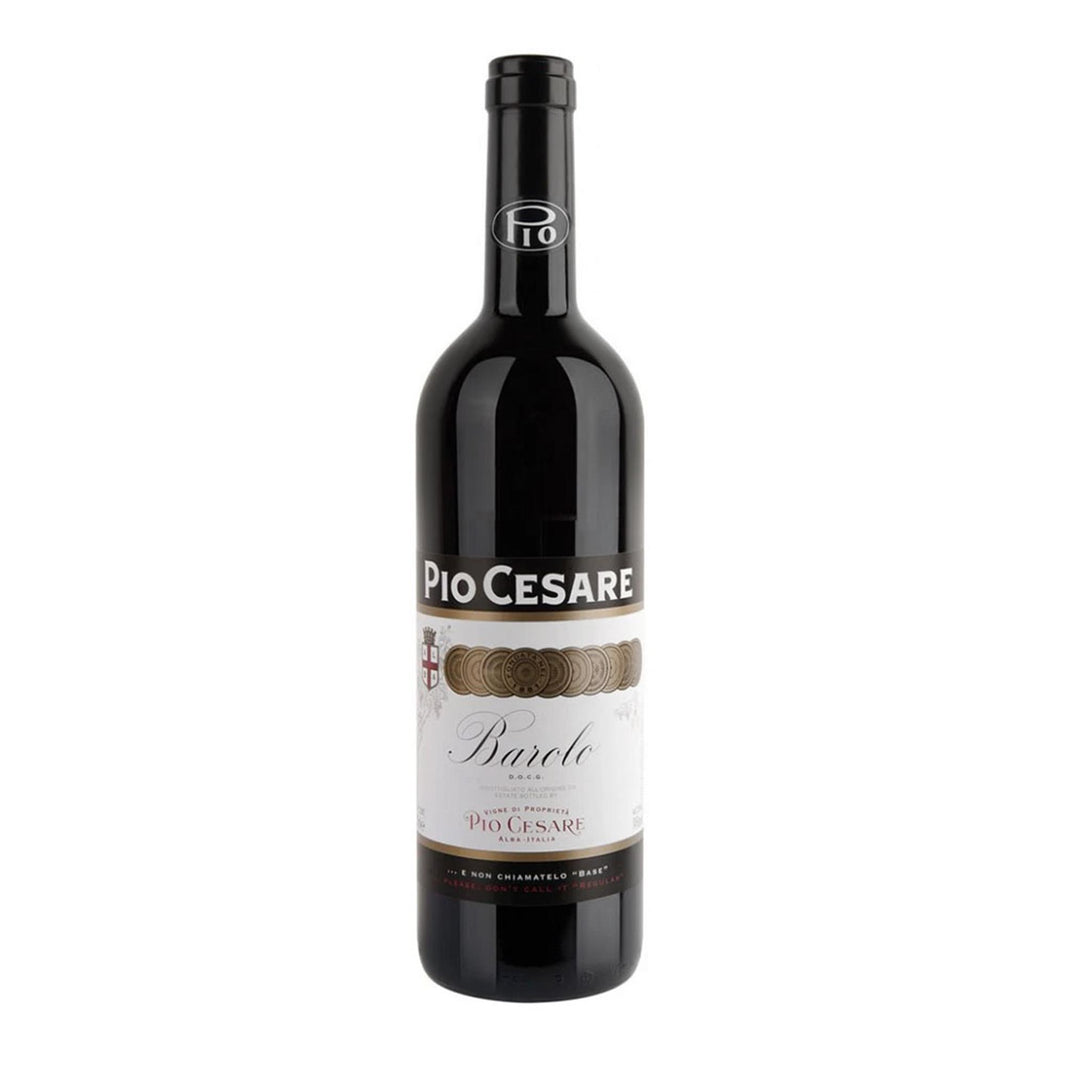
Pio Cesare Barolo 2020 75cl
Pio Cesare Barolo is a classic and deeply characterful expression of Nebbiolo from one of Piedmont's most historic and respected family estates, fo...Italy
Piemonte
2020
Full Bodied Red
SustainableRegular price £64.49 -
Vega Sicilia Unico 2012 75cl
2012 is a concentrated, juicy, silky and well defined vintage. It is an expression that can be enjoyed immediately but it will become incredible ov...Italy
Tuscany
2012
Full Bodied Red
Regular price £395.00 -
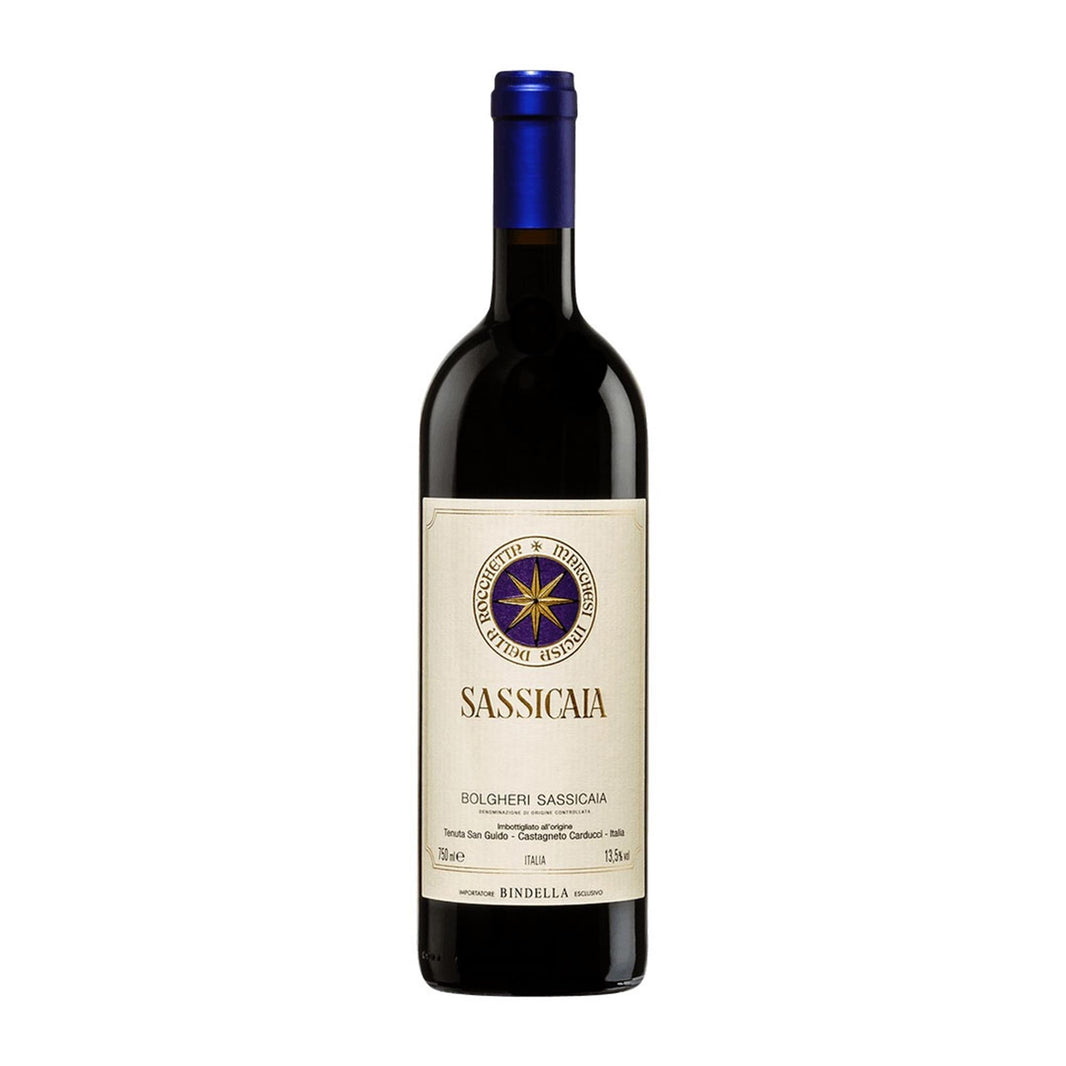
Tenuta San Guido Sassicaia 2019 75cl
Tasting notes to followItaly
Tuscany
2019
Full Bodied Red
Regular price £275.00
Italian winemaking culture is fundamentally tied to the concept of terroir, meaning the location, soil, and regional microclimate dictate the wine's ultimate character. Historically, it was assumed that consumers knew which grapes belonged to which area. Therefore, a bottle is named after the place of origin such as Chianti, Valpolicella, or Barolo rather than the specific grape variety, like Sangiovese or Nebbiolo. This emphasizes the unique geographical identity over an individual grape component.
These acronyms form the legal quality pyramid of Italian viticulture, protecting authenticity and origin. IGT (Indicazione Geografica Tipica) represents a looser regional classification, giving winemakers the creative freedom to use international grapes or modern blending techniques. DOC (Denominazione di Origine Controlled) is much stricter, requiring the wine to adhere to traditional regional rules regarding grape choices and aging. The highest tier is DOCG (Garantita), which demands even lower vineyard yields and forces every single vintage to pass a rigorous government-run blind tasting panel before earning its numbered neck seal.
The main differences come down to climate and geography, resulting in highly distinct wine styles. Northern Italy is cooler and heavily influenced by the Alps, producing crisp, high-acid white wine styles and elegantly structured, tannic reds that are highly suited for long-term cellaring. Conversely, the sun-drenched, Mediterranean Southern regions produce intensely ripe, full-bodied, and fruit-forward red wine varieties, which offer softer tannins, higher alcohol levels, and lower natural acidity.
The term Classico indicates that the grapes were grown within the original, historically recognized heartland of a specific wine region. Over the decades, many famous Italian wine zones expanded their legal boundaries into surrounding flatter plains to increase production volume. However, the original hillsides such as those in Chianti Classico or Soave Classico typically boast the finest soils, best sun exposure, and oldest vines, making Classico bottles a reliable indicator of superior quality and concentration.
Italian wine has evolved alongside the country's rich regional culinary traditions for thousands of years. Unlike bolder, heavily oaked new world styles that can overpower a meal, Italian wines naturally possess high acidity and a savoury, rustic undertone rather than simple sweet fruitiness. This refreshing acidity cuts beautifully through rich olive oils, heavy cheeses, and tomato sauces, whilst the savoury tannins cleanse the palate between bites, making the wine a perfect partner for dining.