German Red Wine
Famous for their elegant restraint, bright berry flavours, and refreshing feel, our German red wine collection highlights the exciting rise of red winemaking across Germany’s sunniest regions. Led by Spätburgunder (the German name for Pinot Noir), these light-to-medium-bodied reds are full of juicy red cherry notes, subtle spice, and a smooth, silky finish. A fantastic, easy-drinking alternative to heavier reds, they bring fresh style and charm to any dinner table.
-
Add 6 - Save 5% | Add 12 - Save 10%
-
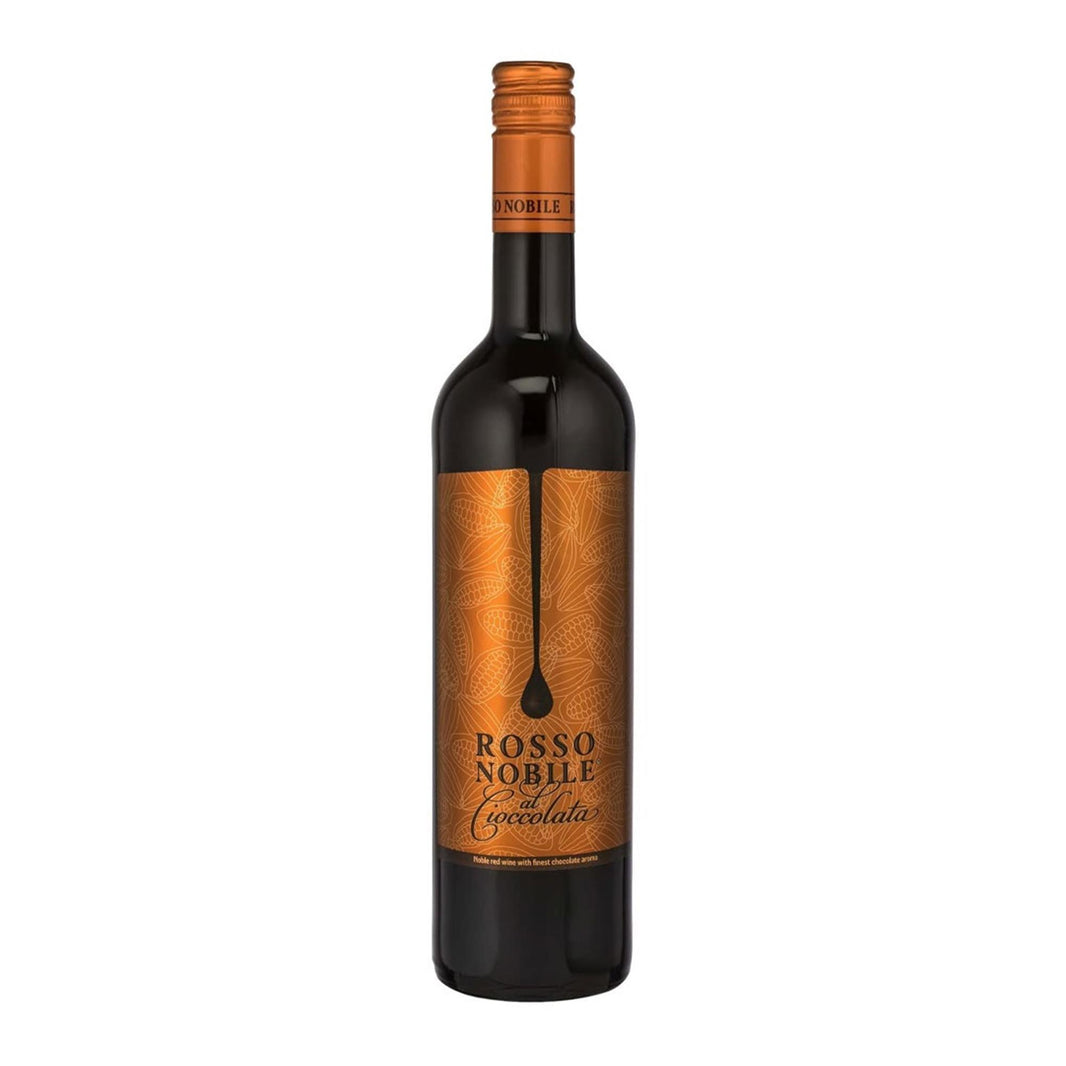
Rosso Nobile al Cioccolata Rosso 75cl
Rosso Nobile al Cioccolata Rosso is an indulgent, velvety red wine blend infused with the rich aroma and flavour of fine dark chocolate. Crafted to...Germany
NV
Regular price £8.99 -
Herxheim Spatburgunder Trocken 2022 75cl
This wine is produced by the Herxheim am Berg cooperative in Germany’s Pfalz region, known for its warm climate and limestone-rich soils—ideal for...Germany
Pfalz
2022
Light and Fruity Red
Regular price £16.25 -
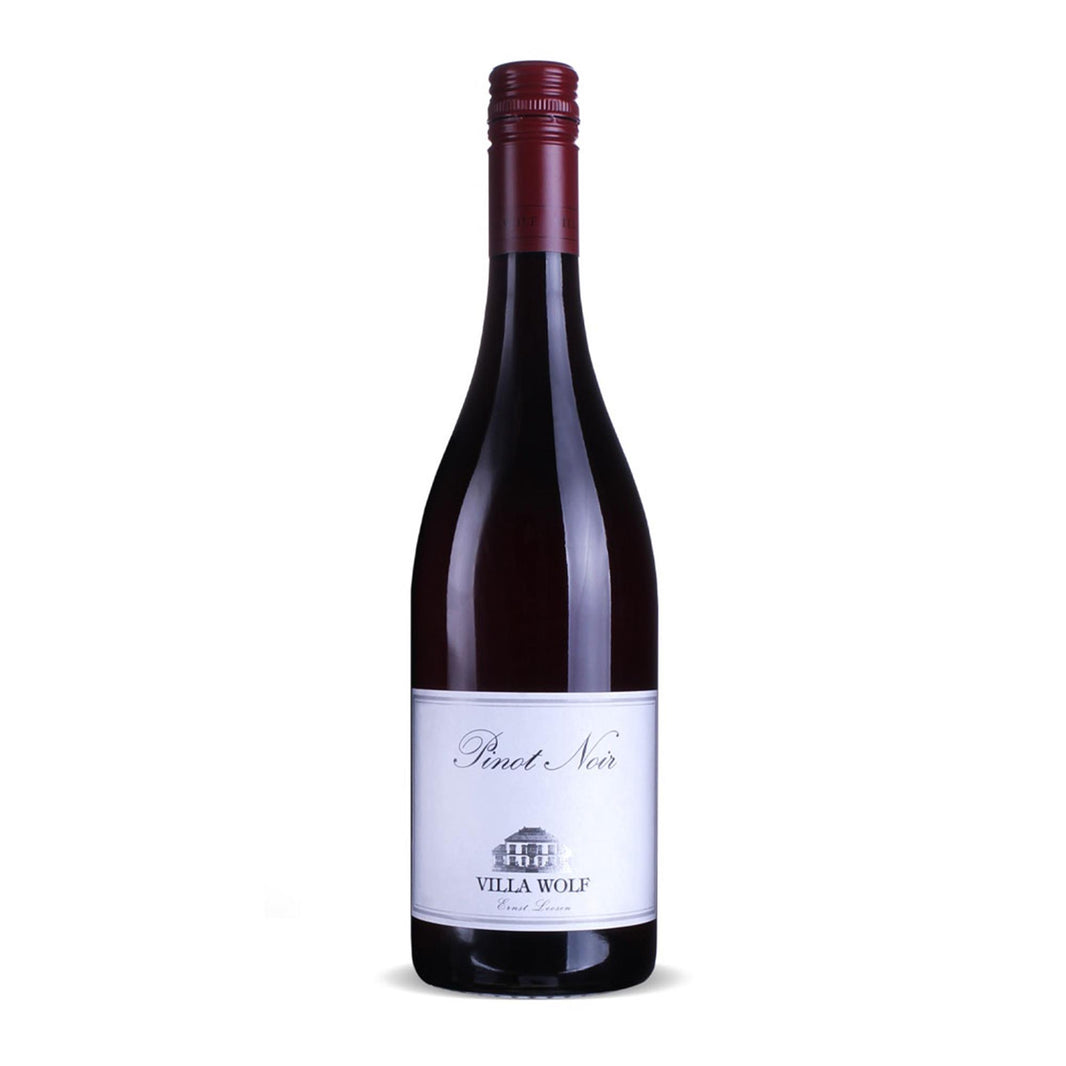
Villa Wolf Pinot Noir 2022 75cl
Villa Wolf Pinot Noir is a medium-bodied, approachable red wine from the Pfalz region of Germany. It shows bright black-cherry fruit with juicy, ri...Germany
Pfalz
2022
Light and Fruity Red
Regular price £13.99
Spätburgunder is the official German name for Pinot Noir, representing the country's most premier and widely planted red grape variety. The name derives from "spät" (meaning late-ripening) and "Burgunder" (referring to Burgundy, the variety's historic home). Genetically, Spätburgunder and Pinot Noir are the exact same variety. When cultivated across top German regions like Baden, the Ahr, and the Pfalz, Spätburgunder produces elegant, medium-to-light-bodied red wines defined by translucent ruby colour, silky tannins, bright red-fruit purity, and distinctive earthy minerality.
Germany sits near the northern boundary of viable viticulture, where cooler average temperatures and extended summer daylight force red grapes to ripen at a gradual, measured pace. This temperate climate allows the berries to retain high levels of natural tartaric acidity while keeping potential alcohol levels moderate (typically 12.5% to 13.5% ABV). Consequently, German red wines avoid the heavy, jammy, and alcoholic weight of warm-climate regions, yielding a lighter physical body on the palate. Aromatically, this creates a fresh, fruit-forward profile focused on vibrant sour cherry, red raspberry, and wild strawberry, supported by fine-grained tannins and crisp, lip-smacking acidity.
Beyond Spätburgunder, Germany boasts several indigenous and crossed red grape varieties that offer outstanding quality. Lemberger (known as Blaufränkisch in Austria) thrives in the Württemberg region, crafting medium-to-full-bodied red wines with firm tannins, dark plum fruit, and peppery spice. Dornfelder is another widely popular variety, celebrated for its deep violet colour, juicy blackberry fruit, low tannins, and easy-drinking charm. Additionally, Frühburgunder (Pinot Noir Précoce) yields dark, aromatic wines with velvety texture, while Trollinger produces light, translucent, and refreshing red wines meant for early enjoyment.
Entry-level German red wines (such as regional Dornfelder, Trollinger, or basic Gutswein Spätburgunder) are crafted for immediate enjoyment within two to four years of release to celebrate their bright primary fruit and delicate freshness. However, high-tier Spätburgunder and Lemberger (particularly Grosses Gewächs or Grand Cru estate bottlings matured in French oak) possess exceptional structural integrity. Driven by high natural acidity and fine-grained tannic architecture, top German red wines can easily age in a cellar or wine rack for ten to twenty years, developing complex tertiary nuances of forest floor, leaf litter, savoury game, and subtle truffle.
The light-to-medium body, high natural acidity, and supple tannins of German red wine make it exceptionally versatile at the dining table. Spätburgunder pairs magnificently with roasted poultry such as duck breast with a cherry glaze, pan-seared pheasant, and roast chicken with herbs. Its bright acid drive cuts through fatty meats like pork tenderloin, roasted goose, and delicate veal cutlets. Furthermore, the earthy undertones of German reds harmonise beautifully with wild mushroom risotto, truffle-infused pasta, seared salmon, and mild-to-medium cheeses such as Comté, Gruyère, or Brie.