Sangiovese Wines
Rooted in the sun-drenched hills of central Italy, our Sangiovese wine collection captures the vibrant acidity, dusty tannin structure, and unmistakable savoury cherry character of Italy’s most celebrated red grape variety.
-
Add 6 - Save 5% | Add 12 - Save 10%
-
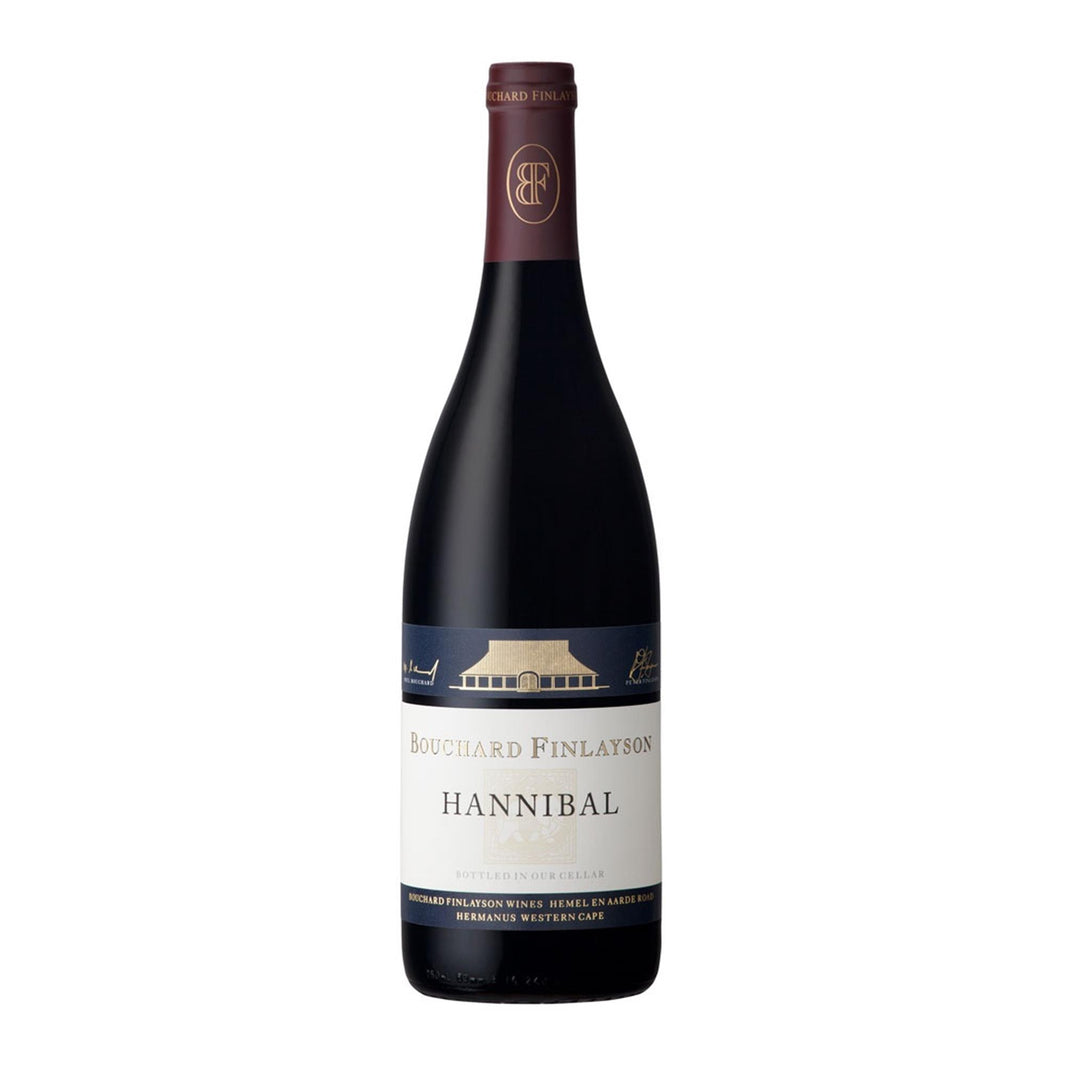
Bouchard Finlayson Hannibal 2020 75cl
Hannibal is a thoughtfully crafted red blend from Bouchard Finlayson, inspired by the classic structure and elegance of Italian varieties. Complex ...South Africa
Walker Bay
2020
Spicy Red
Regular price £29.95 -
Sister Moon 2016 Organic Tenuta Il Palagio 75cl
The incredible flagship wine of Tenuta il Palagio, the Tuscan estate of Sting and Trudie Styler - very limited availability.Sister Moon is the top ...Italy
Tuscany
2016
Full Bodied Red
Organic, BiodynamicRegular price £46.25 -
Casino Delle Vie 2018 Tenuta Il Palagio Organic 75cl
Elegant 'Super Tuscan' from the Tuscan estate of Sting and Trudie Styler. Like Sister Moon, this wine is also a Super Tuscan (IGT Toscana) from Sti...Italy
Tuscany
2018
Medium Bodied Red
Regular price £26.60
Sangiovese’s structural architecture is defined by high natural acidity and astringent, fine-grained tannins, providing the foundational framework necessary for extended bottle ageing. In top expressions like Brunello di Montalcino and Chianti Classico Gran Selezione, this high acid profile acts as a natural preservative, maintaining freshness whilst the tannins polymerise and soften over decades. At the table, these structural components make Sangiovese exceptionally food-friendly. The elevated acidity cuts cleanly through rich fats, olive oils, and tomato-based sauces, refreshing the palate after each bite, whilst the rustic tannins bind to dietary proteins in grilled red meats and hard cheeses, dramatically softening the wine's astringency on the tongue.
Sangiovese is highly sensitive to terroir, expressing vast structural differences depending on altitude and soil composition. High-altitude vineyards with limestone or galestro soils, such as those in Radda in Chianti, produce translucent, medium-bodied red wines with razor-sharp acidity, firm tannins, and ethereal aromatics of sour red cherry, violet, tea leaf, and crushed stone minerality. Conversely, lower-altitude, warm maritime regions like Morellino di Scansano in the Maremma or lower slopes of Montalcino feature heavy clay soils. These warmer sites allow Sangiovese to achieve full phenolic ripeness, yielding full-bodied, darker red wines with lower perceived acidity, supple tannins, and lush, sun-baked fruit flavours of black plum, sweet cherry, and leather.
Blending allows winemakers to polish Sangiovese’s naturally lean mid-palate and high acidity. Adding traditional indigenous red grapes like Canaiolo Nero softens the sharp acid edge and contributes gentle floral top-notes, whilst Colorino imparts a deeper ruby hue and structural tannin. Conversely, incorporating international varieties like Cabernet Sauvignon, Merlot, or Syrah (as pioneered in Super Tuscan wines) fundamentally transforms the wine’s geometry. Merlot introduces lush mid-palate flesh, rounded alcohol, and plush dark fruit that fills out Sangiovese’s lean core, whereas Cabernet Sauvignon contributes structural weight, dark cassis fruit, and firmer tannic architecture without stripping away Sangiovese’s signature freshness.
Maturation in large, neutral Slavonian or French oak casks (botte) allows for gentle micro-oxygenation without imparting wood aromatics or coarse tannins into the liquid. This traditional method preserves Sangiovese’s delicate, translucent colour, high acidity, and signature varietal aromatics of tart red cherry, dried oregano, roasted tomato leaf, leather, and earthy terracotta. Conversely, ageing in small 225-litre French oak barriques exposes the liquid to higher wood contact, enriching the body and softening rustic tannins quickly. However, French oak introduces distinct secondary aromatics of vanilla, toasted espresso, mocha, and sweet spice, which can mute Sangiovese’s natural savoury herbal depth if not carefully balanced.
Sangiovese’s savoury complexity, bright acid drive, and firm tannins make it an ideal partner for Tuscan and central Italian cuisine. The iconic pairing is Bistecca alla Fiorentina, a thick, rare T-bone steak drizzled with olive oil, where the meat's fats and proteins tame the drying tannins whilst the wine's tomato-leaf notes echo the charred exterior. Sangiovese also pairs brilliantly with rich, gamey ragùs served over pappardelle pasta, slow-braised wild boar (Cinghiale in Umido), and roasted lamb chops with rosemary. Furthermore, its natural acidity cuts effortlessly through tomato-based dishes and aged sheep's milk cheeses like Pecorino Toscano.